Preserving Industrial Heritage in the Modern Age
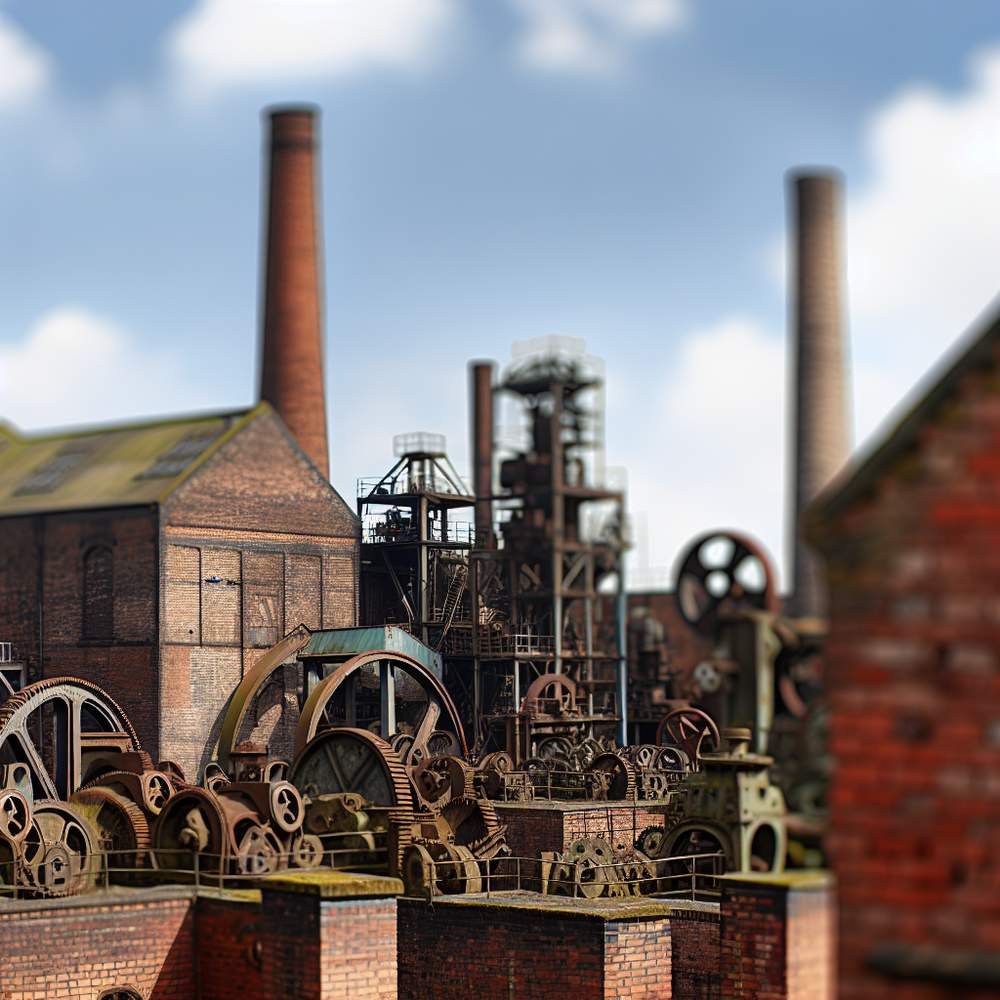
In recent years, historic factory districts have become a focal point for preservation efforts. These areas, once bustling with industrial activity, now stand as visible reminders of our industrial past. The challenge lies in finding a balance between preserving these historic sites and adapting them for modern use. In this article, we will explore the importance of preserving industrial heritage in the modern age and the strategies and challenges involved in this process.
The Significance of Historic Factory Districts
Historic factory districts hold a significant place in our history, representing the industrial revolution and the growth of cities. These districts are a reminder of the hard work and innovation that shaped our modern world. Preserving these sites not only honors the past but also provides valuable insight into the development of industry and urban planning. By maintaining these historic districts, we can ensure that future generations have the opportunity to learn from and appreciate our industrial heritage.
Challenges of Preservation
Preserving historic factory districts comes with its own set of challenges. The aging infrastructure, environmental concerns, and changing economic landscapes can make it difficult to maintain these sites. Additionally, the pressure to develop these areas for modern use often conflicts with the goal of preservation. Finding the balance between conservation and development is crucial in ensuring that these historic sites continue to have relevance in the modern age.
Adaptive Reuse and Conservation
One strategy for preserving industrial heritage is through adaptive reuse. By repurposing old factory buildings for new uses such as residential, commercial, or cultural spaces, we can give these historic sites renewed purpose. Adaptive reuse allows us to retain the architectural and historical significance of the buildings while making them functional for contemporary needs. This approach not only preserves the physical structures but also ensures that the stories and memories associated with these sites are passed on to future generations.
Sustainability and Community Engagement
Another important aspect of preserving historic factory districts is sustainability. By integrating sustainable practices into the conservation and development of these sites, we can ensure their long-term viability. This includes efforts to reduce environmental impact, promote energy efficiency, and support local economies. In addition, community engagement plays a vital role in the preservation of industrial heritage. By involving local residents, businesses, and stakeholders in the decision-making process, we can ensure that these historic sites remain relevant and accessible to the public.
Conclusion
In conclusion, historic factory districts are invaluable pieces of our industrial heritage that deserve to be preserved for future generations. By finding a balance between conservation and development, embracing adaptive reuse, promoting sustainability, and fostering community engagement, we can ensure that these sites continue to hold significance in the modern age. Preserving industrial heritage is not just about saving old buildings; it’s about honoring our past, shaping our present, and inspiring our future.